













Automation & Controls
Control Systems
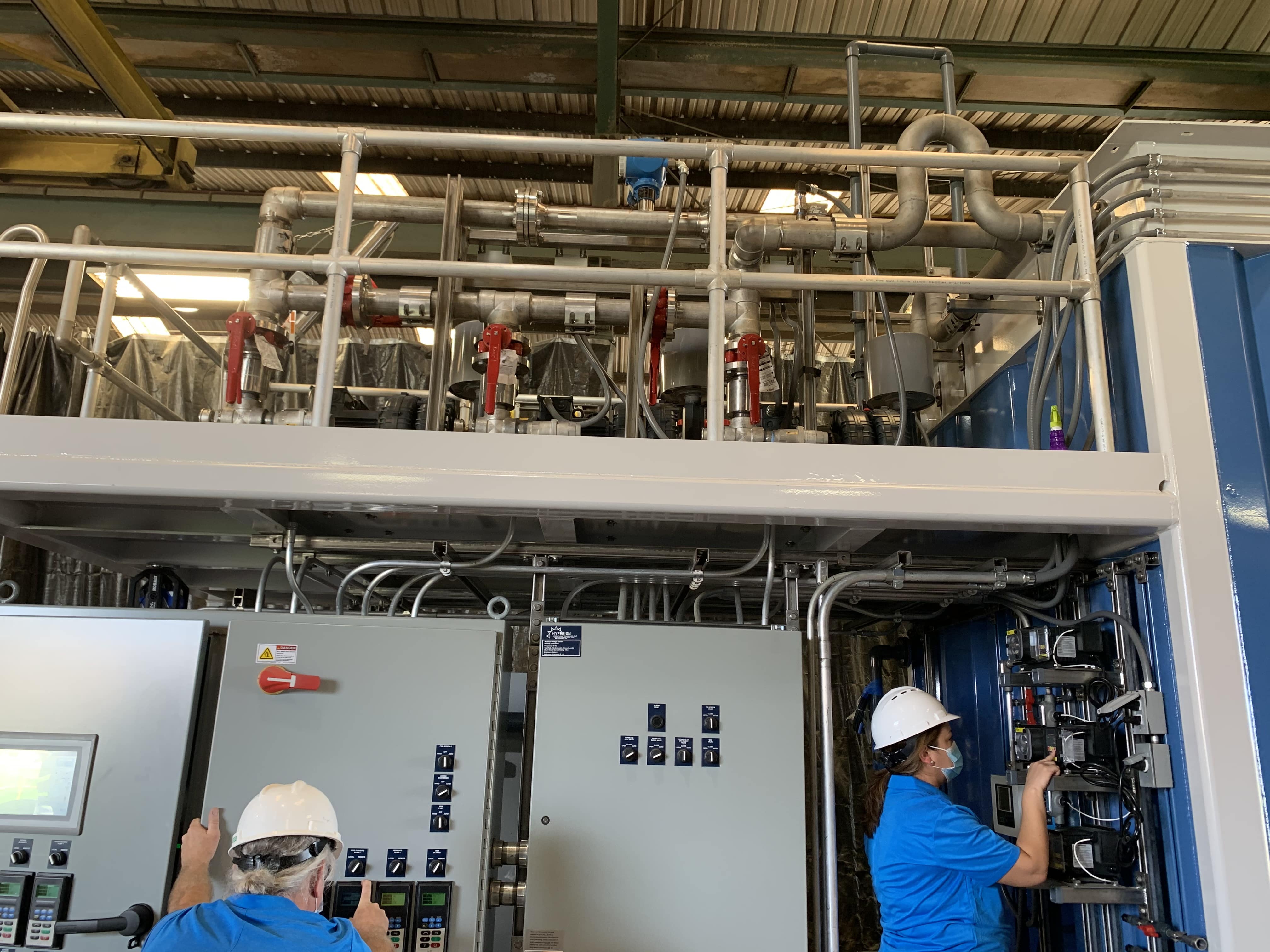
We specialize in designing and implementing control systems tailored to optimize wastewater treatment for clients across industries.
Our approach starts with system design, where we define requirements, develop control strategies, select appropriate hardware components, and outline software architectures to ensure seamless integration and functionality. We also create the physical control panels to spec in our UL-certified shop, ensuring each panel meets high safety and quality standards through meticulous layout design, wiring, and rigorous testing.
For operational control, we provide PLC programming to automate treatment processes and HMI development to enable user-friendly system interaction.
• System design
• Control panel fabrication (UL Shop)
• PLC/HMI programming and development
• Instrumentation selection & configuration
• Factory acceptance testing/documentation
• Commissioning, debug, loop tuning
• Remote access and connectivity
• Field service / troubleshooting
• Control system upgrades / retrofits
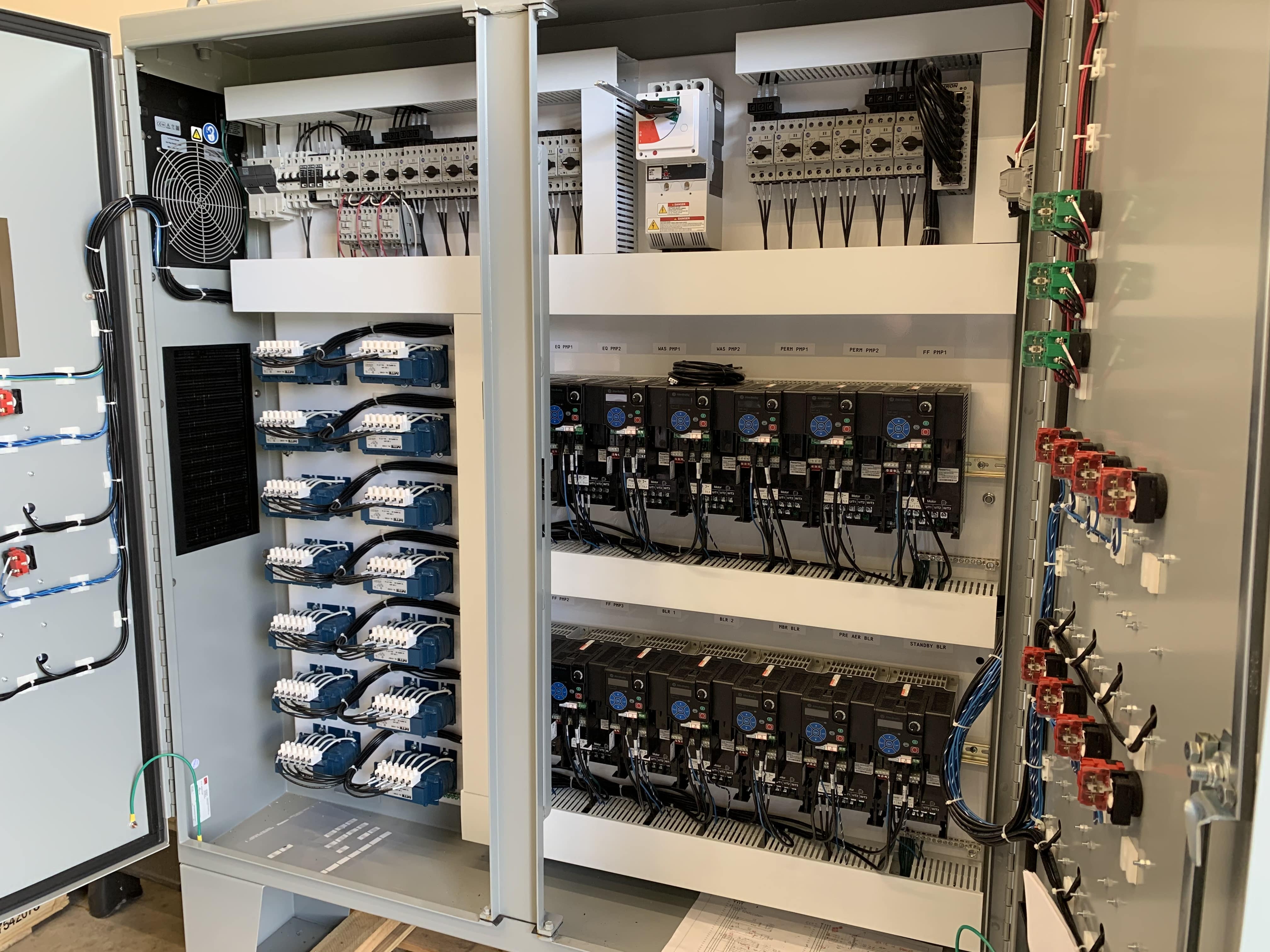
Our thorough selection and configuration of instrumentation sets up our partners for accurate measurement and control of essential process variables.
Before deployment, we conduct Factory Acceptance Testing to verify system functionality and compile comprehensive documentation.

Post-installation, our services extend to commissioning, debugging, and loop tuning to refine system performance and ensure it operates at peak efficiency.
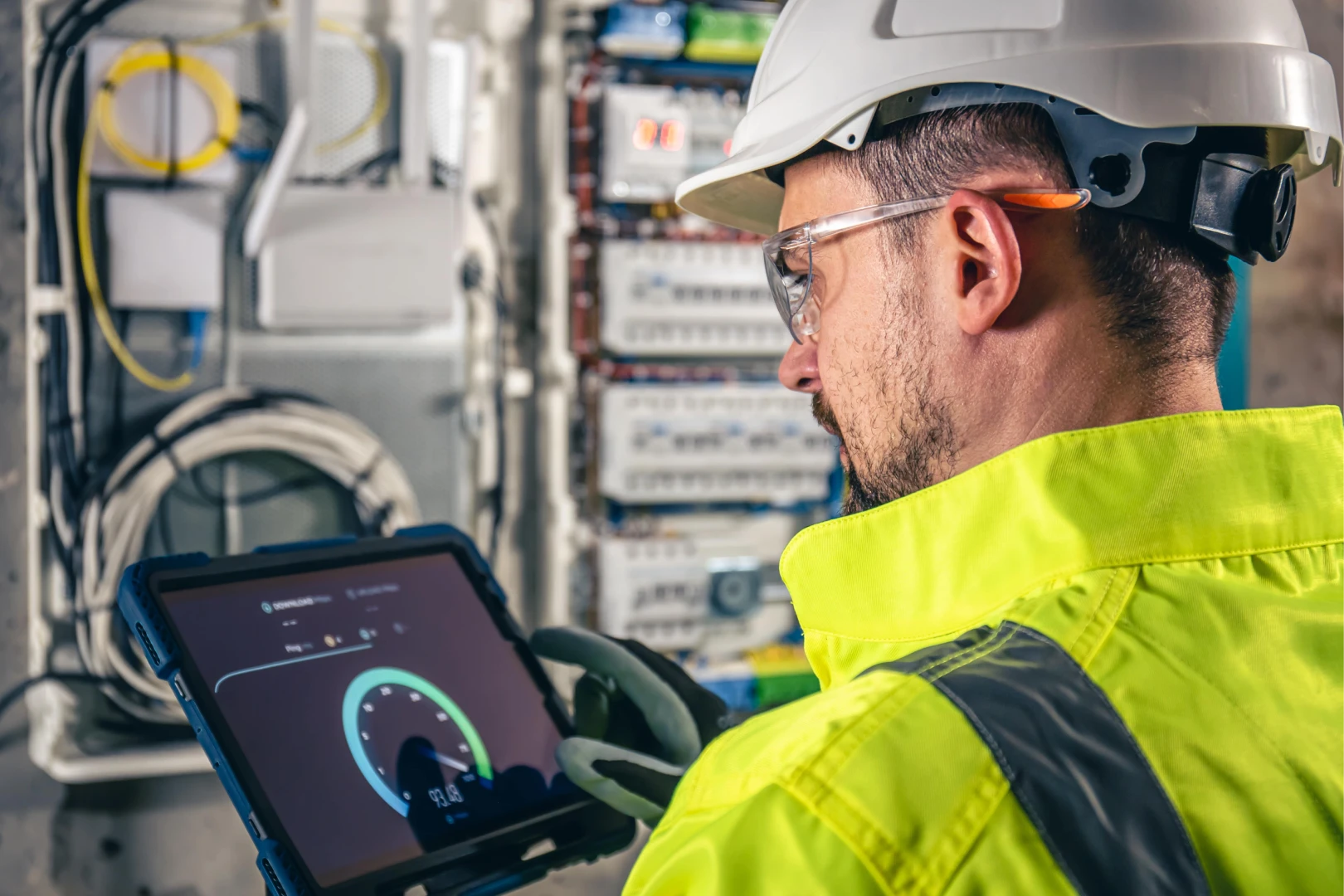
Additionally, we offer solutions for remote access and connectivity, allowing for efficient monitoring and control of the system from off-site locations, ensuring reliability and accessibility regardless of physical presence.
Frequently Asked Questions
Automation and control systems help facilities maintain consistent treatment performance by continuously monitoring key process parameters and automatically adjusting system operation as conditions change. This improves reliability, reduces operator workload, and helps facilities respond more effectively to changing flows, loads, and treatment requirements.
Yes. Veyra designs control systems with remote monitoring capabilities that allow operators to view system performance, receive alerts, and access operational data from off-site locations. These tools help improve system visibility, support faster response times, and provide greater operational confidence.
Yes. Veyra provides control system modernization services that can include PLC upgrades, HMI improvements, instrumentation replacement, panel modifications, and system integration. These upgrades help facilities improve reliability, enhance operational visibility, and extend the life of existing treatment infrastructure.